
Smoking a whole turkey has become an increasingly popular way to bring bold, smoky flavors to your holiday meals. Whether it's for Thanksgiving or a family gathering, smoked turkey offers a delicious alternative to traditional oven-roasted birds.
The smoking process allows the turkey to absorb deep, wood-fired flavors, while staying tender and juicy inside, with a perfectly crispy skin on the outside.
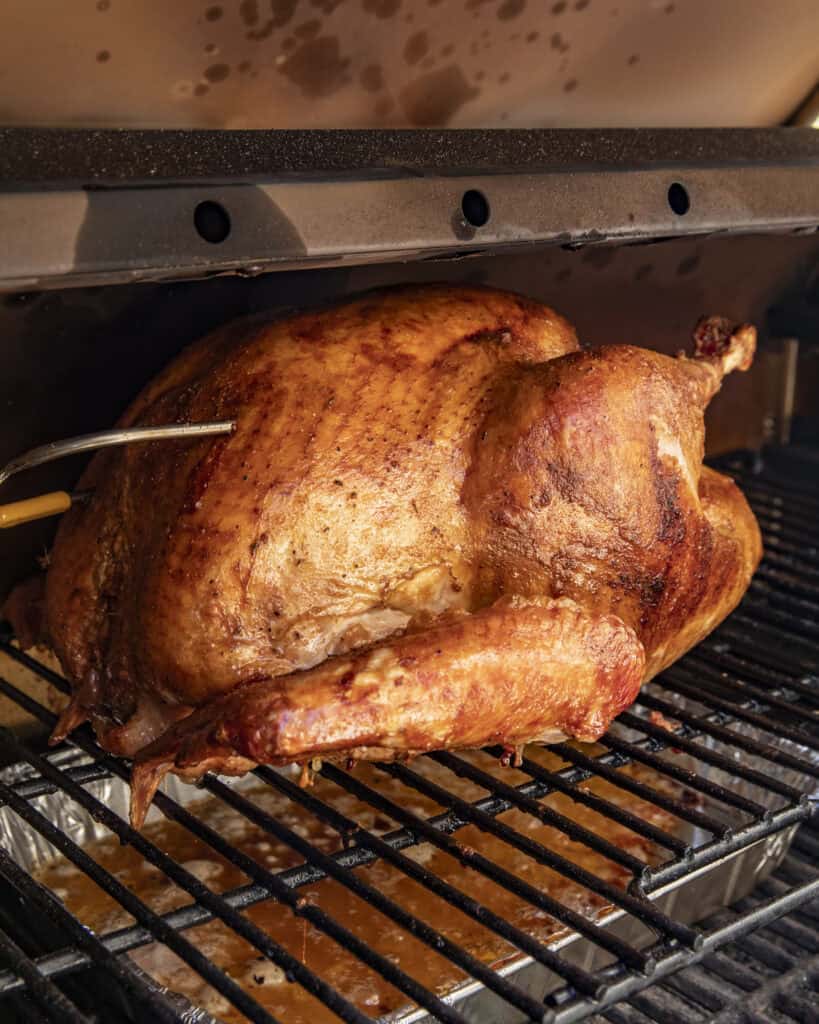
Choosing the right turkey for smoking.
When selecting a turkey for smoking, size and type are crucial to achieving the best results. Go for a bird that weighs between 12 and 15 pounds-this size ensures even cooking and fits well within most smokers. Larger turkeys can be tricky, as they may take too long to cook through without drying out.
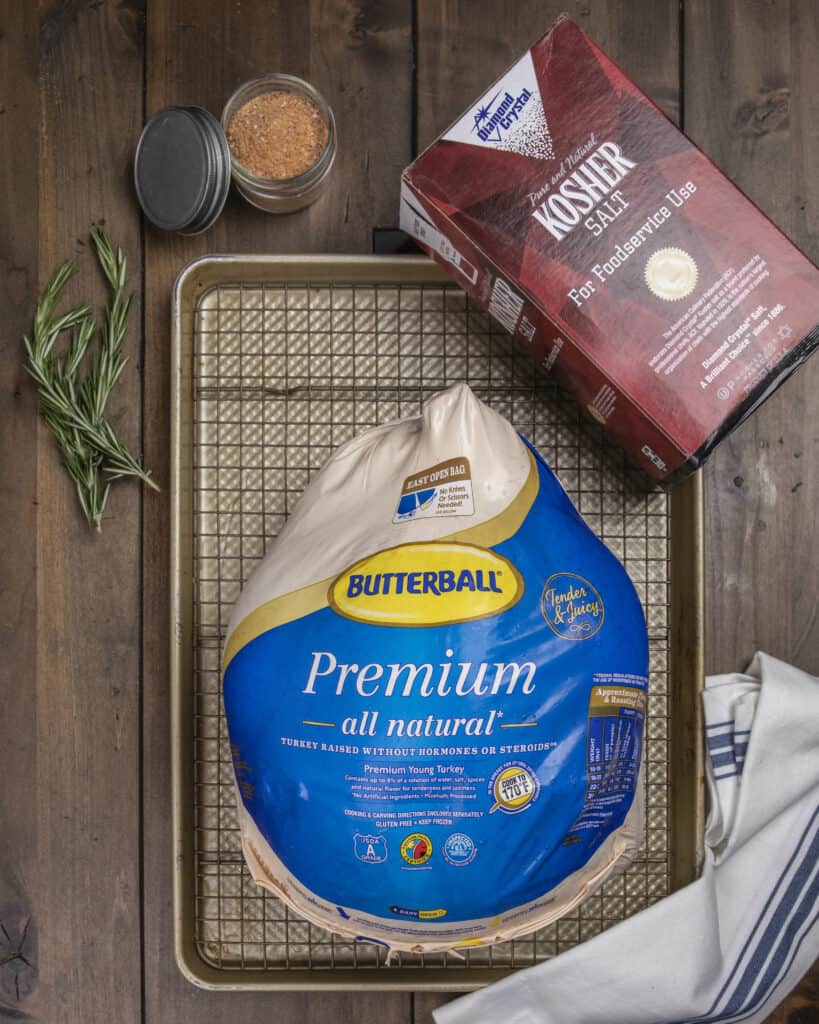
For the freshest flavor, consider choosing a fresh, non-frozen turkey from a local source. However, if you opt for a frozen turkey, make sure to give it enough time to thaw.
A 12-15 pound turkey will take about 3-4 days to thaw in the fridge, ensuring it's ready for preparation without compromising its texture.
Why You Should Brine Your Turkey (And How to Do It Right).
Additionally, avoid pre-brined or pre-seasoned turkeys. These can alter the flavor and moisture content, limiting your control over the final taste. Starting with a plain, unbrined bird allows you to customize a simple brine and dry rub to achieve that perfect smoky flavor.
Brining is one of the best techniques to ensure your smoked turkey stays juicy and flavorful throughout the long cooking process. Smoking tends to dry out meat, but a proper brine locks in moisture and infuses the turkey with layers of seasoning from the inside out.
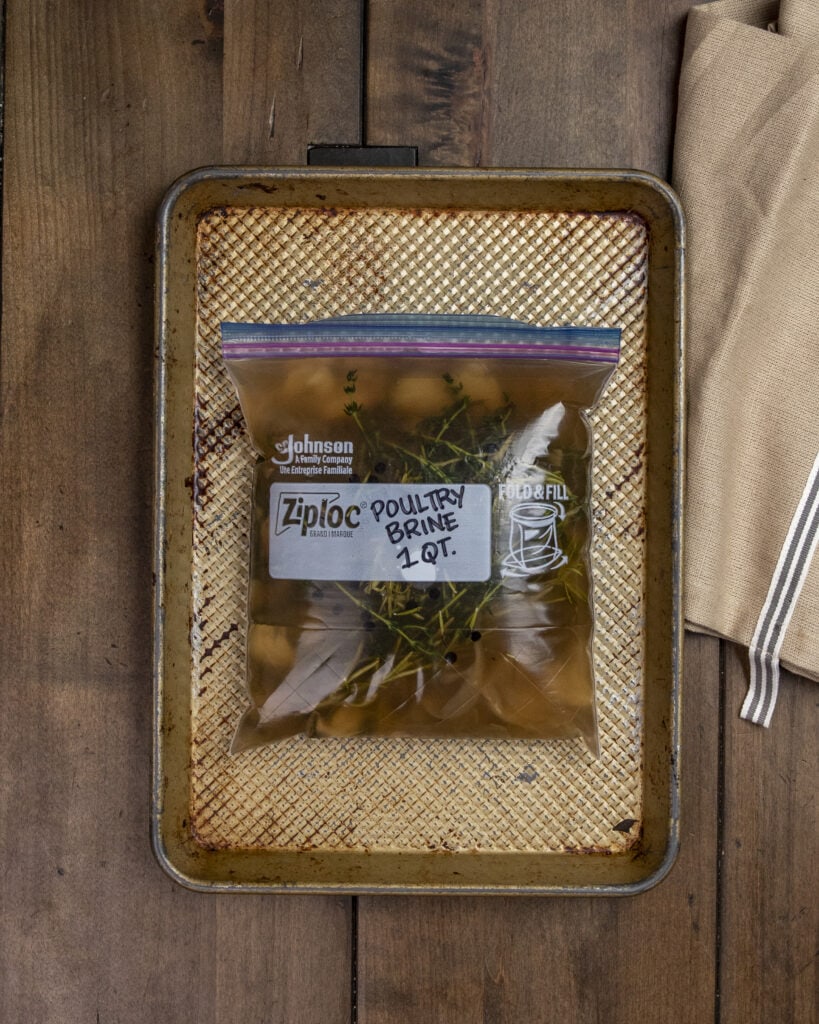
The brine breaks down muscle proteins, allowing the meat to retain more water, which helps keep the turkey tender and succulent, while it cooks slowly in the smoker.
Wet brining.
A traditional wet brine consists of a mix of water, salt, sugar and aromatics like herbs and citrus. For optimal results, submerge your turkey in the brine for at least 12-24 hours. This ensures that the salt penetrates the meat, enhancing its natural flavor without making it too salty.
As a rule of thumb, aim to dissolve about 1 cup of kosher salt and ½ cup of sugar for every gallon of water. You can then add ingredients like garlic, bay leaves, rosemary and more for added complexity.
Dry Brining.
If you're short on time, or prefer a less messy option, a dry brine (simply rubbing the turkey with a mixture of salt and spices) can also deliver fantastic results. Regardless of your method, brining sets the foundation for a moist, flavorful smoked turkey, making it an essential step for success.
We are using our go-to turkey brine recipe for this cook, as it's tried and true with both flavoring the bird, and keeping it juicy.
Preparing your whole turkey for Smoking.
Once your turkey has finished brining, it's time to get it ready for the smoker.
Start by thoroughly rinsing off the brine, under cold water, to remove excess salt and any residual flavors from the aromatics. After rinsing, pat the turkey dry with paper towels-this step is crucial for achieving that crispy skin during smoking.
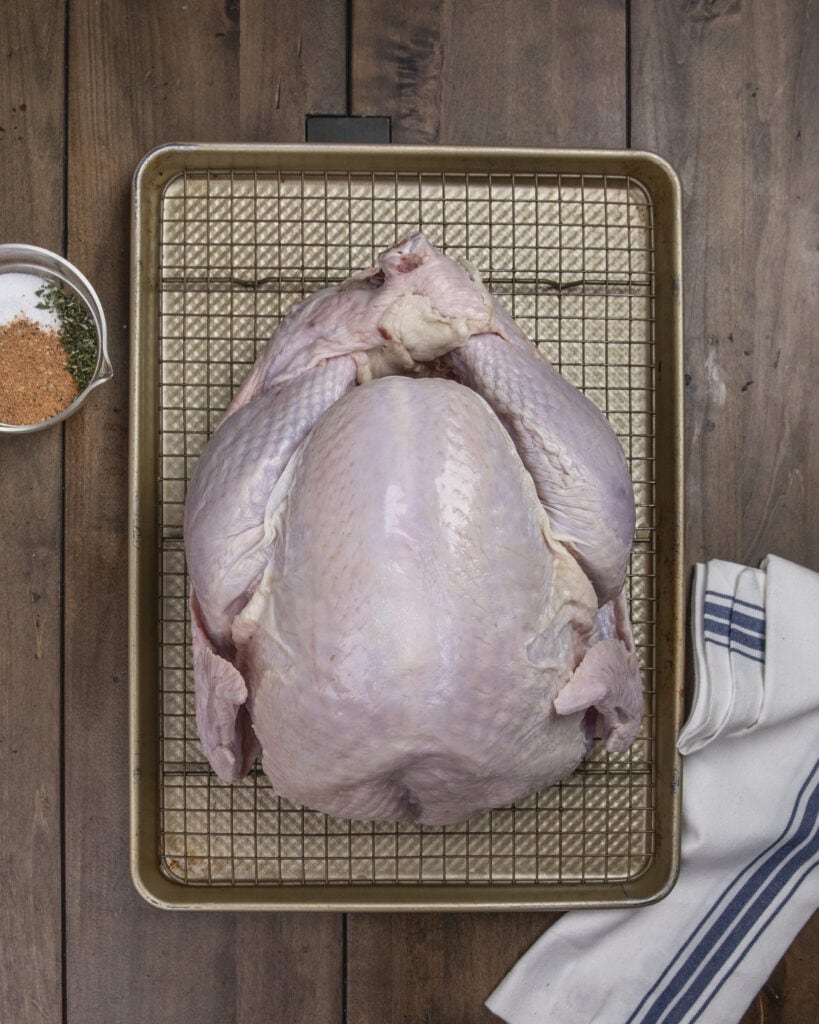
Seasoning your turkey.
Next, you'll want to apply a seasoning dry rub to the entire bird. For this recipe, I'm using our easy smoked chicken dry rub, but you can use any combination of spices like smoked paprika, black pepper, garlic powder and onion powder, rubbing them generously over the turkey, including under the skin where possible.
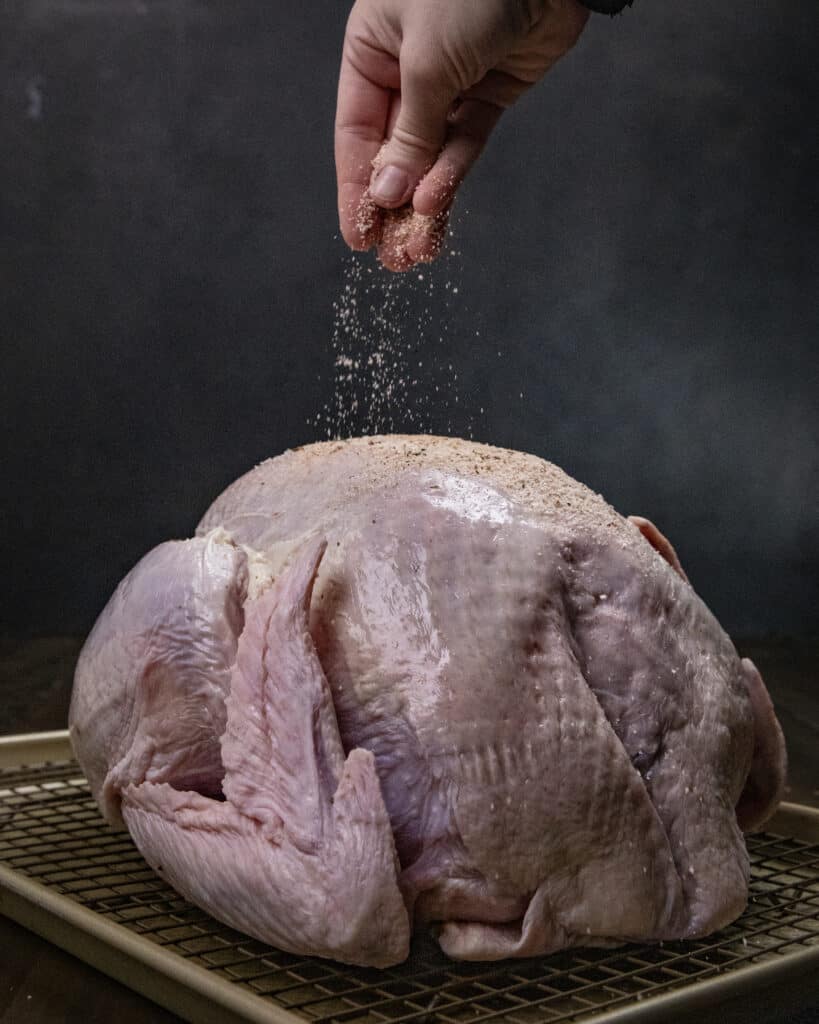
This creates an extra layer of flavor and helps form a flavorful crust on the outside of the meat. You can also tuck softened butter under the skin for additional moisture and richness, during the smoking process.
Finally, truss the turkey by tying the legs together with kitchen twine. This helps the bird cook evenly, and prevents the wings and legs from overcooking. Once seasoned and trussed, let the whole bird come to room temperature before moving it to the smoker, for it's slow, smoky transformation.
How to smoke a whole turkey (Step by step).
Now that your turkey is prepped, it's time to move to the smoker. Start by preheating your smoker to 250°F. Depending on your setup, I like to use a hardwood and fruitwood blend like hickory with apple, or cherry, which add great flavor to the turkey.
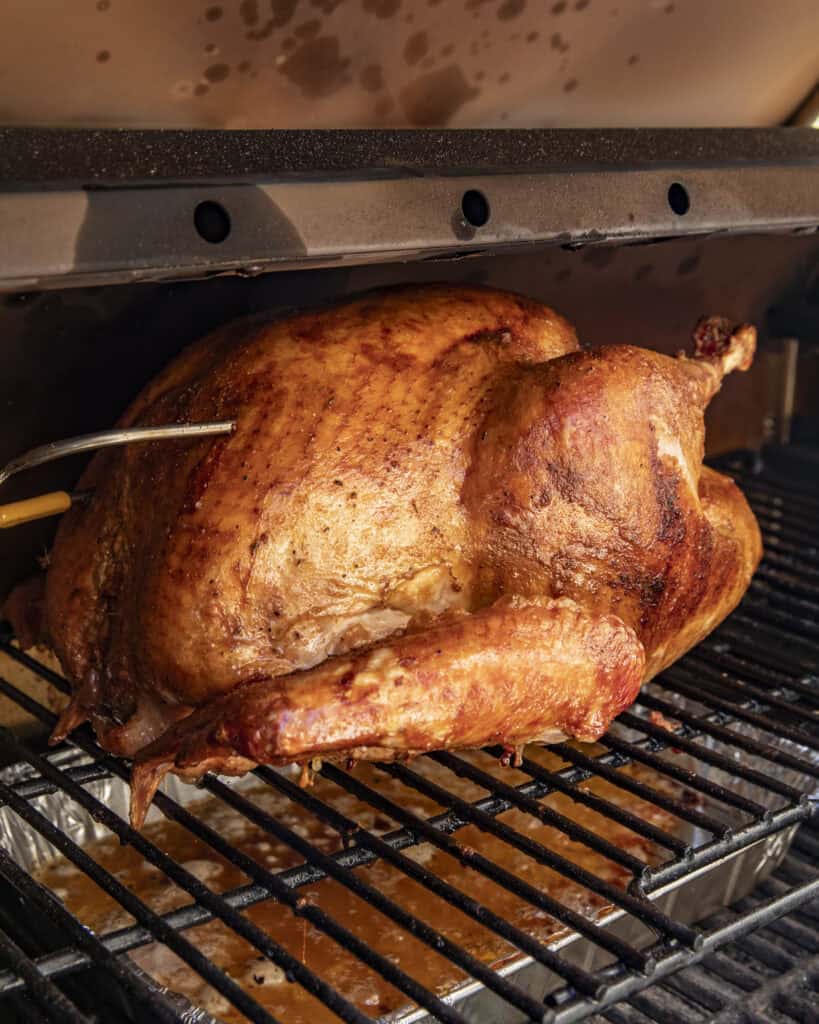
If you're using an electric smoker or pellet smoker, use your favorite blend of pellets or wood chips that work with your specific model.
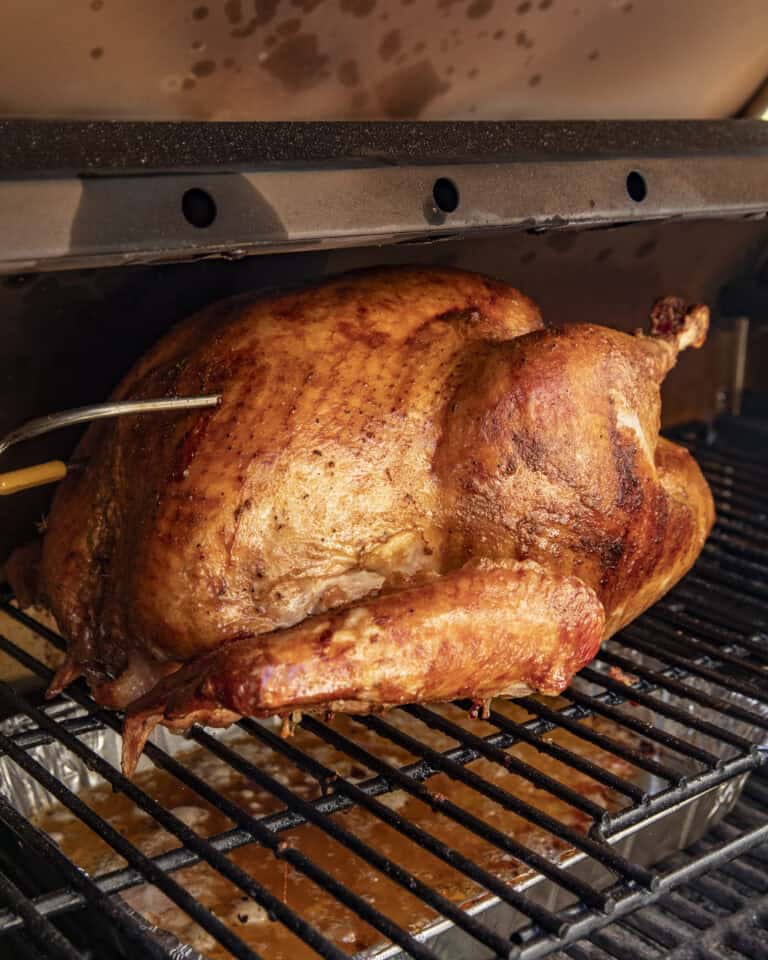
Place the bird breast side up, and use indirect heat to avoid burning the skin or drying out the meat. Position a water pan inside the smoker to help regulate moisture during the long cook, and to catch the drippings. You can use that for gravy later.
Timing is everything.
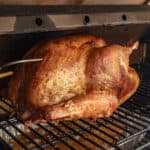
Smoking a whole turkey can take anywhere from 5-8 hours depending on the size of the bird, with the goal being an internal temperature of 165°F in the thickest part of the breast and 175°F in the thighs.
Be sure to check your turkey with a temperature probe every hour, rotating if needed for even cooking, and spritzing or basting to keep the skin moist and to ensure consistent browning.
Smoke the turkey for roughly 2 hours, then increase the heat to 300°F to help crisp the skin, without drying out the meat. At this point, we'll start spritzing or basting the turkey to keep the skin moist and ensure consistent browning.
Basting the turkey.
We're going to be basting with melted butter - in this case clarified butter or ghee. Use a turkey baster or ladle, spoon it over the entire turkey, letting it drip down the sides.
You don't want to brush it directly on the skin or that will remove the dry rub. Just let it evenly coat the sides, as you baste from the top down. Baste the turkey every 30 - 45 minutes, depending on the color and dryness of the skin.
Resting your turkey.
After the long smoking process, it's essential to let your turkey rest before carving. Resting allows the juices to redistribute throughout the meat, ensuring every slice is tender and flavorful.
Once you remove the turkey from the smoker, tent it loosely with aluminum foil, and let it rest for about 15 - 20 minutes. This brief resting period ensures the turkey retains its moisture and will be easier to carve.
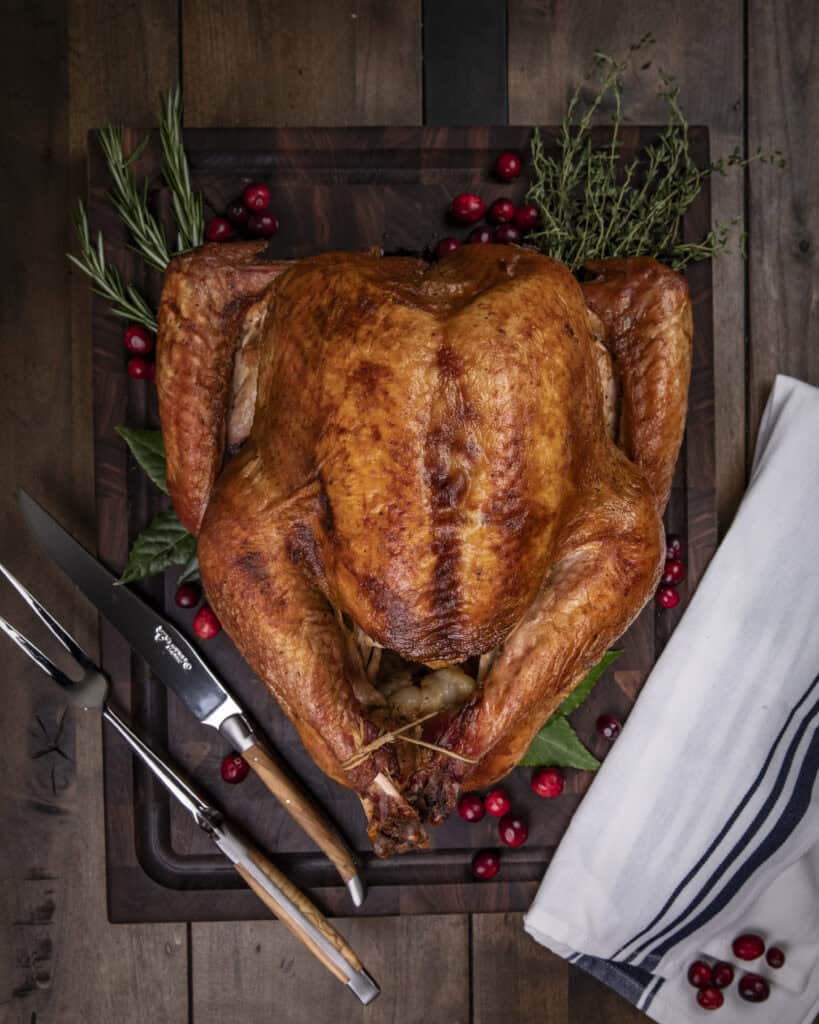
Carving your turkey.
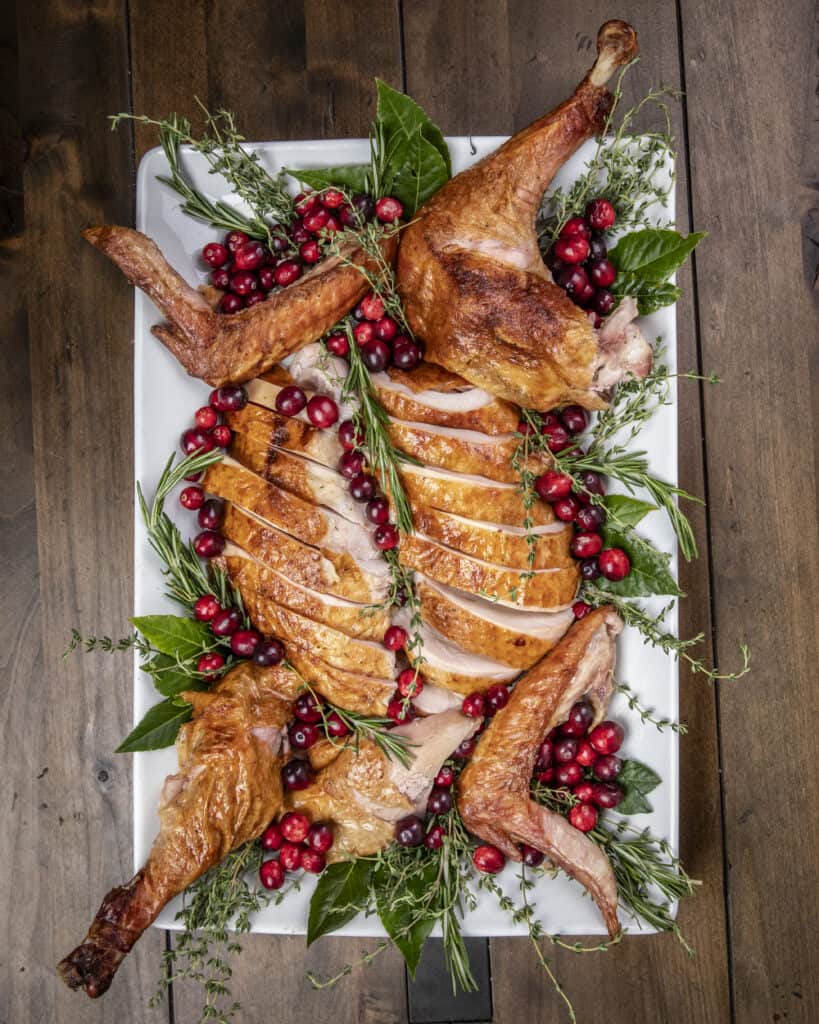
When it's time to carve, start by removing the legs and thighs, slicing them at the joint. Then, carefully carve the breast meat by cutting parallel to the breastbone in smooth, even strokes. Finally, separate the wings.
This method helps maintain the turkey's structure and ensures you get beautiful, even slices. Serve immediately, or store any leftovers properly to enjoy later.
Storing leftover turkey.
Properly storing and reheating leftover smoked turkey ensures that it stays moist and delicious for days to come. Once the turkey has cooled to room temperature, carve it into smaller portions for easy storage.
Place the slices in airtight containers, or tightly wrap them in aluminum foil or plastic wrap. Leftover turkey can be kept in the refrigerator for up to 4 days, or in the freezer for up to 3 months.
Reheating leftover turkey.
When you're ready to reheat, gently warm the turkey to avoid drying it out. For best results, reheat it in a low oven at 300°F, covering the turkey with foil to retain moisture.
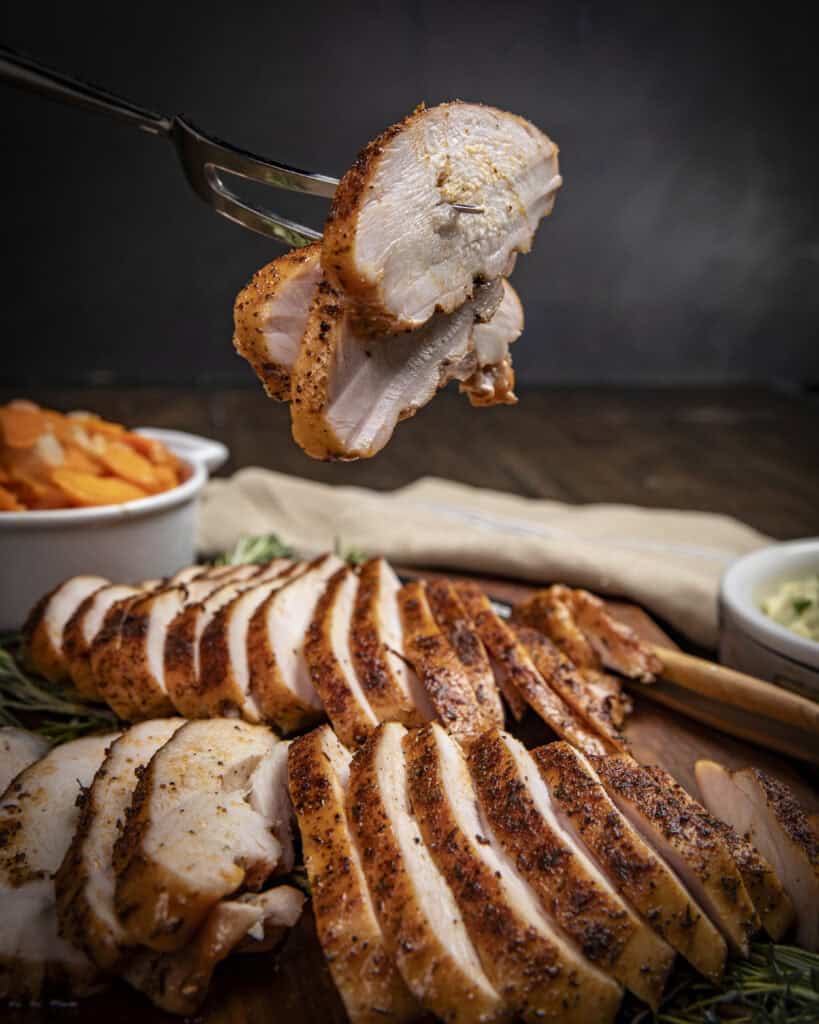
Add a splash of broth or water to keep it juicy. If using the microwave, heat in short intervals, covering the meat with a damp paper towel, to prevent it from drying out.
For crispy skin, consider reheating in a skillet, on medium heat, to maintain texture while warming the meat through.
Pro Tips for the best smoked whole turkey.
For a perfectly smoked turkey, follow these expert tips to elevate your results:
Choose the Right Wood: The type of wood you use can greatly influence the flavor of your turkey. Fruitwoods like apple or cherry add a subtle sweetness, while hickory provides a stronger, smoky taste. Combining these woods can also offer a balanced flavor profile that complements the turkey without overpowering it.
Maintain Consistent Temperature: Consistency is key when smoking a turkey. Keep your smoker at a steady 250°F for a slow cook. Fluctuating temperatures can cause uneven cooking, so use a high-quality thermometer probe to monitor both the internal temperature of the turkey and the smoker itself.
Dry the Skin: After brining, pat the turkey skin dry thoroughly with paper towels before applying your rub. Moisture on the skin can lead to soggy results, while a dry surface will help the skin crisp up beautifully during smoking. You can even let the turkey air-dry in the refrigerator uncovered for a few hours before smoking.
Monitor the Internal Temperature: For food safety and best texture, always aim for an internal temperature of 165°F in the breast and 175°F in the thigh. Use a meat thermometer to check the temperature regularly, and avoid guessing based on cooking time alone.
With these tips in mind, you'll achieve a smoked turkey that's juicy, flavorful, and perfectly cooked every time.
FAQs about smoking a whole turkey.
1. How long does it take to smoke a whole turkey?
The time it takes to smoke a turkey depends on its size and the temperature of your smoker. Generally, plan for about 30-40 minutes per pound at 250°F. For example, a 12-pound turkey will take roughly 4-6 hours. Since we are upping the temperature to 300°F after two hours, the total cook time will be closer to 4 total hours.
I recommend using an instant-read meat thermometer to ensure the internal temperature reaches 165°F in the breast and 175°F in the thigh.
2. What's the best wood for smoking turkey?
Milder woods like apple, cherry or pecan are popular choices for smoking turkey, as they add a subtle sweetness without overpowering the meat. Hickory or oak can also be used if you prefer a stronger, more robust smoky flavor.
4. Can I smoke a frozen turkey?
It's not safe to smoke a frozen turkey. Make sure the bird is fully thawed before smoking. This ensures even cooking and reduces the risk of harmful bacteria growth.
5. How do I get crispy skin on a smoked turkey?
To get crispy skin, pat the turkey dry before applying your rub, and make sure the skin is as dry as possible before smoking.
6. Can I smoke a turkey ahead of time and reheat it?
Yes, you can smoke a turkey in advance. To maintain moisture, let the turkey cool, then refrigerate or freeze it in airtight containers. When reheating, warm it gently at 300°F in the oven with some broth to keep it juicy, and crisp the skin under the broiler or in a skillet if desired.
These tips will help you make the most of your smoked turkey and enjoy a flavorful, juicy result every time!
Don't miss these Thanksgiving dishes!
Looking for other recipes like this? Try these:
How to Smoke a Whole Turkey: Step by Step Recipe
- Total Time: 6 hours
- Yield: 10-12
Ingredients
- 1 fresh whole turkey (12-15 pounds)
- 3-4 tablespoons of poultry seasoning or Smoked chicken dry rub
- Turkey Brine
- ½ cup of melted clarified butter or ghee
Instructions
- In a large stock pot or food grade brining bag, brine your turkey for 18-24 hours.
- Prepare your smoked to 250°F with a foil pan underneath to catch drippings if making gravy.
- Remove turkey from brine, rinse with cold water, then pat dry with paper towels.
- Rub the exterior of the turkey with 2-3 tablespoons of olive oil as a binder, then evenly coat the turkey with poultry seasoning or my smoked chicken rub.
- Smoke the turkey for 2 hours at 250°F without opening the lid.
- Increase the smoker temperature to 300°F and continue smoking.
- Baste the turkey with melted butter or ghee every 30-45 minutes until the internal temperature of the turkey reaches 165°F in the deepest part of the breast.
- Remove the turkey from the smoker, tent loosely with foil and allow it to rest for 15-20 minutes.
- Carve the turkey and serve.
- Cook Time: 6 hours


Hunter O says
If you want a juicy turkey use this recipe. I started it first thing in the morning, kept an eye on it and had a perfect turkey in time for Sunday football.
Jordan Hanger says
Thanks Hunter! Turkey and football sounds like a good combo.